Why Surface Prep Decides How Long Your Paint Lasts
The best coating in the can still fails if it lands on a dirty, loose or rusting surface.
October 27, 2026 · 4 min read
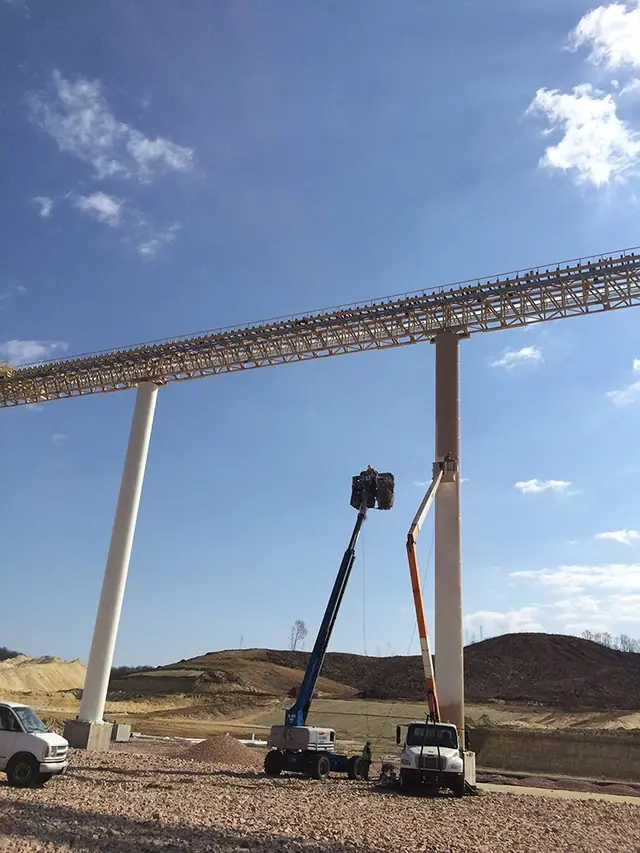
Paint doesn't hold onto a building by itself. It holds onto whatever is underneath it. If that surface is loose, dusty, greasy, chalky or rusting, the best coating in the can ends up sitting on top of a problem, and the problem usually wins. That's why our crew treats preparation as the main event and the painting as the part that follows. Top-tier surface prep is the key to our success, and it's the first thing we'd ask any painter about before you sign on.
What paint is actually bonding to
Every coating needs a clean, sound face with a little texture to grip. Take away any one of those and adhesion suffers. Old paint that has chalked leaves a fine powder that rubs off on your palm, and new paint applied over it bonds to the powder instead of the wall. Flaking paint takes whatever you layer over it along when it lets go. Bare steel with surface rust keeps rusting under a film of paint and pushes the coating up from below. Wood that has grayed in the sun has loose, weathered fibers on top, and paint on those fibers lets go with them. Mildew, road dust, oil and farm residue do the same thing in their own way: they sit between the coating and the material and keep the two apart.
None of this is visible on the day the paint goes on. A badly prepped wall can look sharp for a season. The failure shows up later, as peeling at the edges, blisters, rust stains bleeding through, or a chalky look that returns quickly. By then the work has been paid for and the repair is on you.
Three ways to prepare a surface
We use three methods, alone or in combination, depending on the material and what is wrong with it.
- Pressure washing. Water under pressure lifts off dirt, mildew, chalk, loose paint and grime from the farm or the road. It's the starting point for most exterior jobs, and on a lot of residential work it's most of the prep. The surface has to dry fully before anything gets applied.
- Wet-and-dry sandblasting. Abrasive blasting removes heavy rust, mill scale (the dark, flaky layer on new steel) and hard, failed coatings that washing can't touch, and it leaves a clean surface on steel for the primer to grip. Dry blasting cuts fast. Wet blasting adds water to the mix, which helps keep dust down and suits some surfaces and sites better. We use both.
- Hand-tool cleaning. Scrapers, wire brushes, sanders and chippers reach the places a machine can't, like tight corners, trim, the edges of structural steel and delicate surfaces. It's slower, and it's often what finishes a job properly.
Matching the method to the job
The right answer depends on the surface. A wood-sided house with weathered paint rarely needs a blaster. A wash, careful scraping, sanding and spot priming does the work, and blasting soft wood would only chew it up. A steel conveyor structure, a tank or a silo with scale and pitting is a different problem. Washing alone leaves the rust and scale in place, and paint over those peels off in sheets. Steel wants to be taken back to a sound, clean surface before primer goes on.
Many jobs mix the three. A farm building might get washed to remove years of dust, blasted along the rusted roof seams, and hand-scraped around the doors and trim. We decide that by looking at the surface up close, not by running every job the same way. What matters is the result under the paint, and sometimes that means more work than the owner expected.
Why cutting corners on prep costs more later
Skipped prep is the most common reason a repaint fails early, and it's the hardest thing to spot in an estimate. Two bids for the same building can look alike on paper while one includes washing, scraping and spot priming and the other says little beyond 'paint exterior.' When a coating fails, a new coat over the top just traps the same problem. Eventually somebody has to take it all off, and that job is bigger than it would have been the first time.
A coating bonded to a sound surface keeps working for years, and that's worth more than any seasonal special. Don't settle for seasonal gimmicks. Ask what happens to the surface first.
Questions worth asking any painter
- What will you do to the surface before any primer or paint goes on, and how will you do it?
- Which parts of the job need washing, which need scraping or sanding, and which need blasting?
- How do you deal with rust, mill scale or old flaking paint?
- What primer goes on bare metal or bare wood, and why that one?
- How will I hear about problems you find once the old paint comes off?
That last question matters because surprises happen: soft wood under peeling paint, rust behind a gutter, a section of siding that never held a coat. We believe in constant communication, so you hear about it when we find it and you choose what happens next.
If you have a house, a building or a piece of steel that needs paint and you'd like to know what the prep should look like, call Harry Joles Maintain Painting & Sandblasting at (715) 643-5511. We'll talk through the surface first.
Harry Joles Maintain Painting & Sandblasting, (715) 643-5511
Call (715) 643-5511More articles
What to Expect When You Coat a Log Home
Logs soak, move and weather differently from siding, and a coating job has to account for that from day one.
Painting Steel Farm Buildings, Roofs, Silos and Tanks
Steel doesn't forgive a rushed paint job, and the roof, the seams and the fasteners are where it shows first.